This post originally went up in 2012, when Blender 2.63 had just landed and calling it a rival to the paid 3D packages was a stretch. It reads like wishful thinking now. It also turned out to be right.
Where Blender was in 2012
Free, capable, and awkward. The interface fought new users. The renderer was slow. Studios used it for previs at best, and mentioning it in a job interview was not a great move.
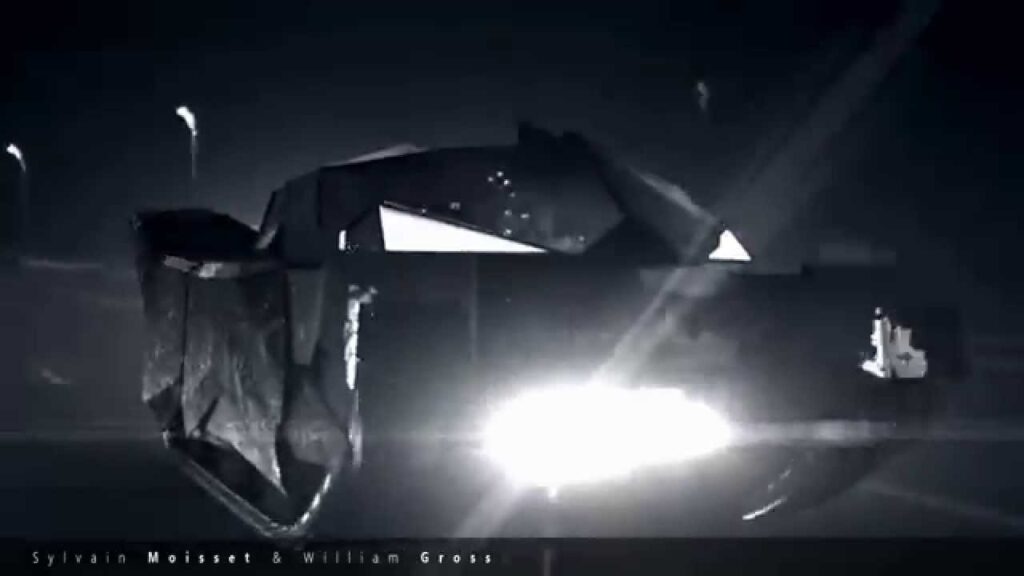
The showreel above is from 2011. Watch it and you can see the gap. The work is impressive for a free tool, and it still looks like work made with a free tool.
What closed the gap
Three things, roughly in order.
The 2.8 rewrite in 2019 fixed the interface. Blender stopped being a tool you had to be initiated into and started being one you could open and use. That single release probably did more for adoption than everything before it.
Cycles and then Eevee gave it rendering that could stand next to the commercial engines. Eevee in particular matched where the industry was heading, which was real time.
And money arrived. The Blender Development Fund pulled in corporate backing from companies with an obvious interest in a strong open source 3D tool, which turned a volunteer project into one with full time engineers.
Where it is in 2026
Blender 5.2 LTS shipped on July 14, 2026. The 5.0 release in November 2025 was the big one, and the LTS versions are what most studios pin to, because an LTS build gets support long enough to survive a production.
It is now normal to see Blender in a pipeline. Not always as the main package, but as the thing an artist reaches for to model a prop, block out a previs sequence or handle a one-off task that does not justify a seat of something expensive.
What it still is not
Being honest about this matters more than cheerleading. Large facilities still run on Maya and Houdini, and the reason is rarely about features.
- Pipeline tooling at big studios is built around those packages and rewriting it costs more than the licenses
- Houdini’s procedural approach to effects work has no real equivalent
- Hiring is easier when the tool is the one everyone already knows
The part that actually changed
The barrier to entry. Fourteen years ago, learning 3D properly meant finding money or finding a crack. Now it means a download.
That shows up in who gets to make things. We covered one example in how a kid with Blender built one of the most anticipated horror films of the year. Stories like that were not possible when this post was first written.
Blender is a free download at blender.org. If you are starting from zero, our plain English guide to how visual effects get made is a decent place to begin.