Good horror monsters are expensive. This list covers ten films that put serious money and serious ingenuity into horror movie VFX, both the creatures and the worlds they live in.
They run in release order, not ranked. Read top to bottom and you get a short history of the genre moving from foam latex and hydraulics to a fully digital, empty Manhattan. You also see why the best ones still put something real in front of the camera.
Budgets are the reported production budgets, before marketing. Every film has a trailer or a behind-the-scenes video embedded, plus links to watch it.
The 10 films at a glance
| Film | Year | Budget | Key effects teams |
|---|---|---|---|
| Alien | 1979 | About $11M | H.R. Giger, Carlo Rambaldi |
| The Thing | 1982 | $15M | Rob Bottin, Stan Winston |
| Jurassic Park | 1993 | $63M | Stan Winston Studio, ILM, Phil Tippett |
| Pitch Black | 2000 | About $23M | Patrick Tatopoulos, Double Negative |
| The Mist | 2007 | $18M | KNB EFX, CafeFX |
| I Am Legend | 2007 | $150M | Sony Pictures Imageworks |
| Cloverfield | 2008 | $25M | Tippett Studio, Double Negative |
| It | 2017 | $35M | ADI, Rodeo FX |
| Annihilation | 2018 | $40M to $55M | DNEG, Union VFX |
| A Quiet Place | 2018 | $17M | ILM |
1. Alien (1979)
Budget: About $11 million
Creatures and effects: H.R. Giger (design), Carlo Rambaldi (head mechanics), miniatures by Brian Johnson and Nick Allder
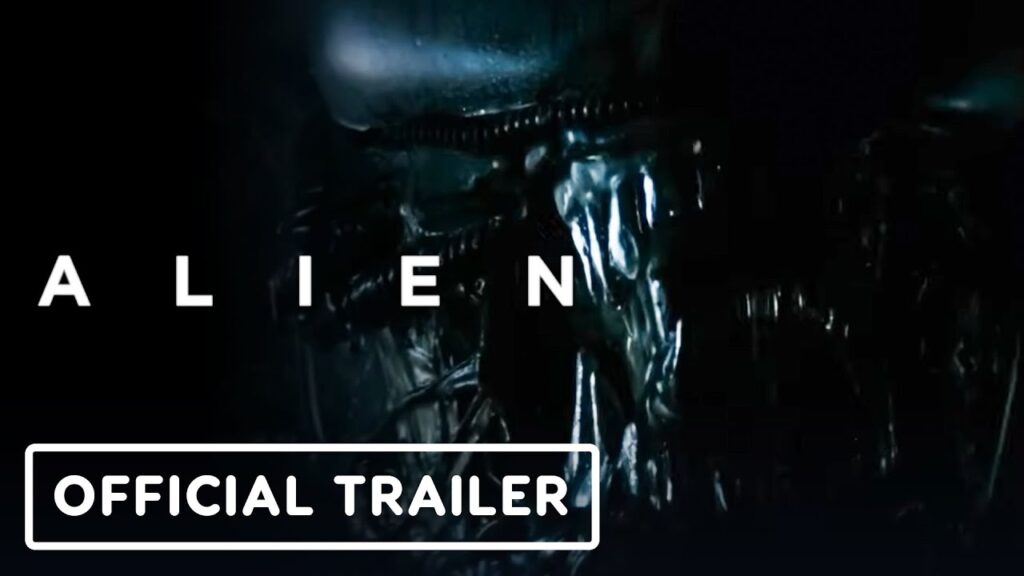
Ridley Scott wanted a monster nobody had seen before, so he hired Swiss surrealist H.R. Giger. Giger designed the adult creature, the derelict ship and the fossilized Space Jockey. Those alien interiors were built as full sets at Shepperton Studios outside London.
The adult alien was a suit. Bolaji Badejo, a very tall, very thin design student, wore it, because his proportions did not read as a man in a costume. Rambaldi built the mechanical head and the extending inner jaw. Scott kept the thing in shadow and in fast cuts. That restraint is a big part of why it still works.
The Nostromo and its refinery were miniatures. Alien won the Oscar for Best Visual Effects. Scott went back to that derelict ship decades later in Prometheus, and we have the Prometheus VFX breakdown if you want to compare the two eras.
Watch it: Alien on Prime Video | Alien on 4K Blu-ray
2. The Thing (1982)
Budget: $15 million, with a reported $1.5 million of it on creature effects
Creatures and effects: Rob Bottin, with Stan Winston on the kennel dog creature, matte paintings by Albert Whitlock
John Carpenter did not want a guy in a suit. He got Rob Bottin, who was 22. Bottin built nearly every creature in the film: the chest that opens into a mouth, the head that sprouts spider legs, the melting, splitting bodies. None of it was done with a computer.
The workload nearly broke him. Bottin worked seven days a week for about a year, often sleeping on the Universal lot. Stan Winston was brought in to handle the dog creature so Bottin could keep up. When the shoot wrapped, Bottin checked into a hospital with exhaustion.
The environment was a fight too. Outpost 31 exteriors were shot in the snow in British Columbia. The interiors were built on Universal soundstages and refrigerated to around 40 degrees while Los Angeles sat in a heat wave, so the breath on screen is real.
It opened a few weeks after E.T. and flopped. Today it is the reference point for practical creature work.
Watch it: The Thing on Prime Video | The Thing on 4K Blu-ray
3. Jurassic Park (1993)
Budget: $63 million (some reports say $56 million)
Creatures and effects: Stan Winston Studio (full-size animatronics), ILM (CG dinosaurs, supervisor Dennis Muren), Phil Tippett (dinosaur supervisor)
Not a pure horror film, but the T. rex in the rain and the raptors in the kitchen are staged like one. It is also the film that changed how creatures get made.
The plan was animatronics for close-ups and Phil Tippett’s go-motion puppets for full-body shots. Then ILM showed Spielberg a test of fully CG dinosaurs, and the go-motion work was dropped. Tippett’s team stayed on to direct the dinosaur performances, using a Dinosaur Input Device, a physical armature that fed its moves into the computer.
The practical side was just as big. Winston’s full-size T. rex stood 20 feet tall, ran 40 feet long and weighed 9,000 pounds. His shop had to buy a second building and raise the roof to build it. In the rain scene the foam latex skin soaked up water and made the whole rig shudder, so the crew dried it between takes.
The widely cited number: about 15 minutes of dinosaurs on screen, and only around 6 of those minutes are CG. The location shoot on Kauai also ran into Hurricane Iniki, which hit the island during production. The film won the Oscar for Best Visual Effects.
Watch it: Jurassic Park on Prime Video | Jurassic Park on 4K Blu-ray
4. Pitch Black (2000)
Budget: About $23 million
Creatures and effects: Patrick Tatopoulos (creature design), Double Negative (digital creatures, supervisor Peter Chiang), John Cox’s Creature Workshop (animatronics), Hunter/Gratzner (miniatures)
David Twohy made a creature movie on a mid-range budget by keeping the creatures in the dark. The planet’s monsters only come out during an eclipse, so most of the time you see them in the beams of the survivors’ flashlights and flares. That is cheaper, and it is scarier.
Tatopoulos designed the creatures. His first pass looked a lot like a pterodactyl, and the design evolved over about two months. John Cox’s shop built animatronics, but most of the final shots went digital. Some practical shots were cut because the puppets moved differently from the CG versions around them.
This was one of Double Negative’s first features. The London team flew out to Australia with brand-new SGI workstations and fought to get them running with their tech support on the other side of the world. The daytime scenes were shot in the desert around Coober Pedy with the color bleached out of the frame, which is why the planet looks so hostile.
Watch it: Pitch Black on Prime Video | Pitch Black on 4K Blu-ray
5. The Mist (2007)
Budget: $18 million
Creatures and effects: KNB EFX Group (creature design), CafeFX (digital creatures), VFX supervisor Everett Burrell
Frank Darabont hired CafeFX after seeing their work on Pan’s Labyrinth. KNB’s Greg Nicotero drove the creature designs with artists including Bernie Wrightson and Aaron Sims. The rule was that these were not monsters. They were animals from another dimension, each with a job in its own food chain.
Darabont shot fast and handheld, in about six weeks in Shreveport, Louisiana. Burrell and Nicotero were on set every day so the digital creatures would match the puppets and the camera moves. Near the end, a creature the size of a skyscraper walks over the car. It is one of the best scale shots in modern horror.
Tip for buyers: the two-disc and Blu-ray releases include Darabont’s black-and-white cut, which he prefers. We also have an older post on the visual FX of The Mist.
Watch it: The Mist on Prime Video | The Mist on Blu-ray
6. I Am Legend (2007)
Budget: $150 million
Creatures and effects: Sony Pictures Imageworks (VFX supervisor Janek Sirrs)
The environment is the star. Director Francis Lawrence wanted a real New York, so production shut down streets and shot in Manhattan. Imageworks then removed every sign of life, cracked the pavement, grew weeds and added wildlife, including the CG deer that run through Midtown. A survey team measured everywhere Will Smith walked or drove so the digital city would line up.
The Brooklyn Bridge evacuation flashback cost a reported $5 million by itself. It was shot on the real bridge over six nights, and Imageworks built a detailed digital version for the destruction.
The Infected were supposed to be actors in prosthetic makeup. The makeup did not match what Lawrence wanted, and there was no time left to fix it, so the creatures went fully CG in the middle of production. Imageworks was still redesigning them during post. The shot count grew from about 400 to more than 800. The empty city holds up. The CG Infected are the part people still argue about.
Watch it: I Am Legend on Prime Video | I Am Legend on 4K Blu-ray
7. Cloverfield (2008)
Budget: $25 million
Creatures and effects: Tippett Studio (the monster and parasites), Double Negative
Cloverfield kept its cast unknown and its camera handheld, which let most of the $25 million go to visual effects. Tippett Studio, with VFX supervisor Eric Leven, built the 25-story monster, the parasites that fall off its body, and a set of digital New York environments.
The found-footage look made the job harder. Every creature shot had to lock to shaky, amateur camera work, and the monster could almost never be framed like a movie monster. Double Negative handled a large share of the city destruction.
The first teaser ran before Transformers in 2007 with no title at all. More on the film in our Cloverfield making-of post.
Watch it: Cloverfield on Prime Video | Cloverfield on Blu-ray
8. It (2017)
Budget: $35 million
Creatures and effects: Amalgamated Dynamics (Pennywise makeup), Rodeo FX (creature transformations and the cistern), plus several smaller vendors
Bill Skarsgård played Pennywise in practical makeup most of the time. VFX took over for the “kill mouth” teeth, the dead lights and the transformations into each kid’s worst fear.
Rodeo FX took roughly 95 of the hardest shots, including Pennywise’s lair, a giant cistern under Derry. The show’s total shot count grew from about 200 to more than 600 during post. VFX supervisor Nicholas Brooks had the final fight choreographed with stunt performers and motion captured before the shoot, so the CG creature had a real performance under it.
It opened to $123 million domestic, a record for a horror film at the time.
Watch it: It on Prime Video | It on 4K Blu-ray
9. Annihilation (2018)
Budget: Reported between $40 million and $55 million
Creatures and effects: DNEG (lead vendor, supervisor Andrew Whitehurst), Union VFX
Annihilation is as much an environment film as a creature film. Inside the Shimmer, plants grow in human shapes and DNA mixes across species. DNEG, the same company that cut its teeth on Pitch Black, designed the Shimmer itself and the mutations inside it. Whitehurst had just won the VFX Oscar for Alex Garland’s Ex Machina.
Garland and Whitehurst insisted on something physical on set for nearly every creature. That meant more paint-out work later, but much better lighting and eyelines. It shows in the bear sequence, which is still one of the most disturbing creature scenes of the decade. Union VFX handled the mutated flowers.
Paramount sold the international release to Netflix, so outside the US most people saw it at home.
Watch it: Annihilation on Prime Video | Annihilation on 4K Blu-ray
10. A Quiet Place (2018)
Budget: $17 million
Creatures and effects: ILM (supervisor Scott Farrar, animation supervisors Scott Benza and Rick O’Connor)
ILM built the blind, armored creatures, plus set extensions and paint-outs. The big story is timing. After the movie was shot and cut, the original creature design was judged not scary enough. ILM redesigned it top to bottom with about two months to go before release.
On set, John Krasinski put on the motion capture suit himself and played the creature for the actors. The film earned about $341 million worldwide on that $17 million budget.
Watch it: A Quiet Place on Prime Video | A Quiet Place on 4K Blu-ray
What the best ones have in common
Something real on set, even when the final creature is CG. Alien, The Thing and Jurassic Park put performers, puppets and a 9,000-pound robot in the frame. Pitch Black, Annihilation and A Quiet Place still gave actors something physical to play against. I Am Legend shot real streets and emptied them afterward.
The effect people argue about most on this list, I Am Legend’s Infected, is the one that lost its practical version halfway through the shoot. And restraint helps. The creatures that last are the ones you see in pieces, in shadow or through something.
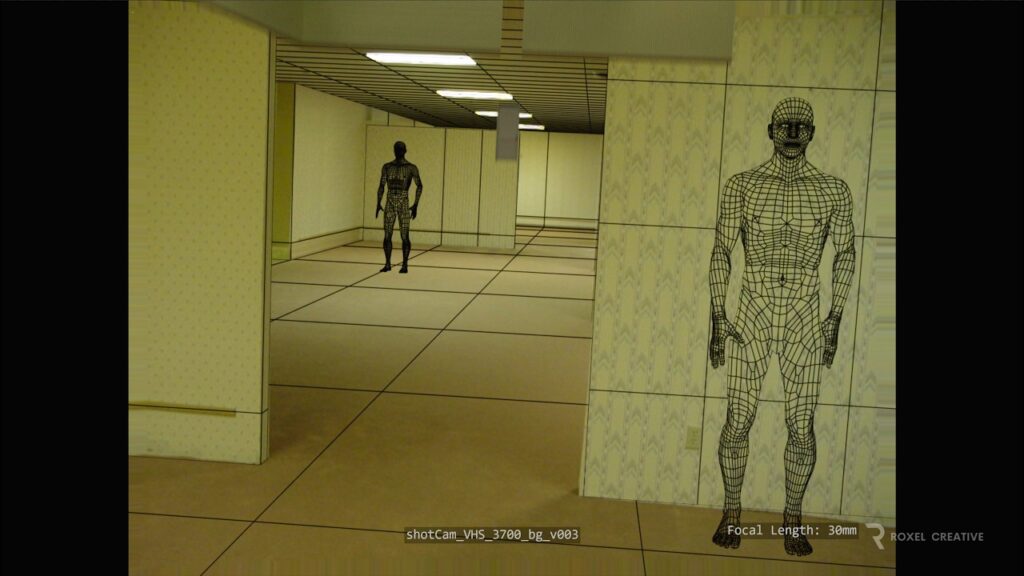
Want to see how shots like these come apart layer by layer? Start with our guide to what a VFX breakdown is. If you want to build a monster yourself, try the Blender monster VFX tutorial. Prefer your monsters with wings? See the best CGI dragons in movies.
Where to watch
Streaming on Prime Video changes month to month. Some of these are included with a membership, others are rent or buy. If you do not have Prime, you can start an Amazon Prime free trial here. For the effects work, the 4K and Blu-ray releases are worth it. Several include making-of features you will not find on streaming.
This post contains Amazon affiliate links. We may earn a small commission on qualifying purchases at no extra cost to you. See our affiliate disclosure.
Leave a Reply